
Thinking about using the State Bank of India payment gateway for your business? You’re not alone. As India’s largest public sector bank, SBI’s name carries trust and reach. But does its digital payment solution live up to the expectations of modern businesses in 2026? Let’s break it down together – no jargon, just real talk.
First Impressions: The Legacy of Trust
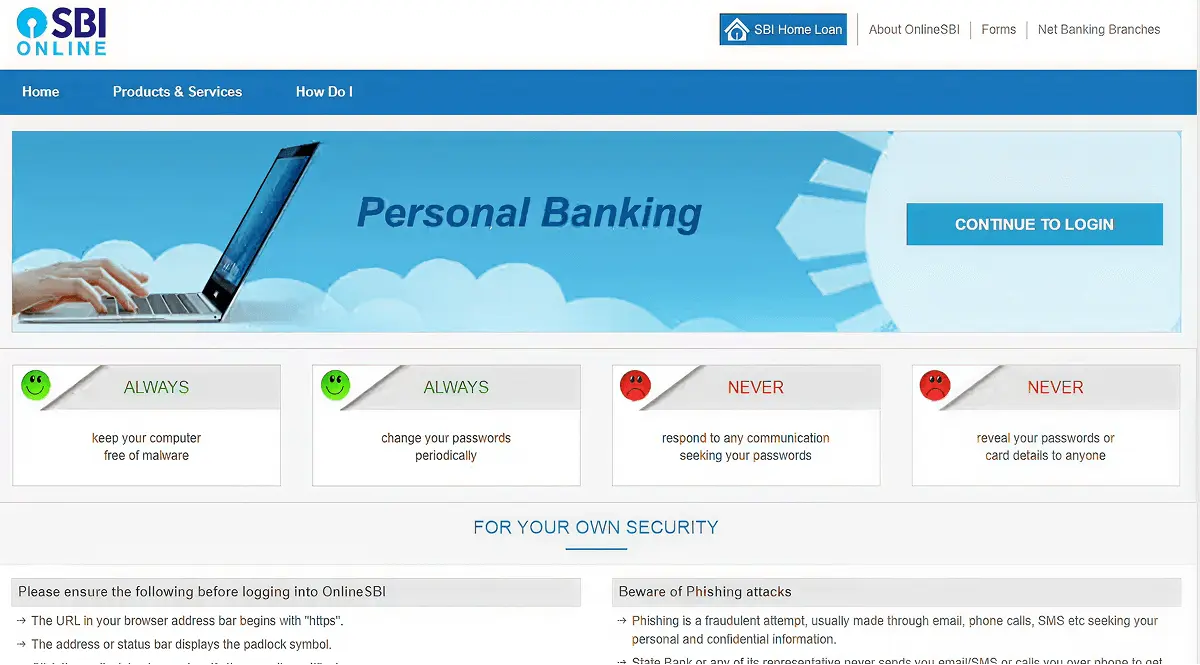
When you hear “State Bank of India,” you think of security, stability, and a branch in almost every pin code. That’s the biggest strength of the SBI bank payment gateway – instant credibility. If your customers are familiar with SBI, they might feel more comfortable seeing its name at checkout. It’s like having a veteran guard at your digital doorstep.
How It Works & Who It’s For
The payment gateway of SBI bank, called SBIePay, is designed primarily for Indian businesses that already bank with SBI. The setup is straightforward if you’re an existing customer. You get access to a merchant portal where you can track transactions, which settle within a reliable T+2 working days cycle. For small local shops or service providers who want to start accepting online payments without switching banks, this can be a convenient first step.
Pricing and Charges
Understanding the cost structure of a payment solution is crucial for any business. Below is an overview of typical charges associated with SBIePay, based on publicly available information. Please note that fees are subject to change and may vary based on your business category, transaction volume, and negotiated terms with the bank. Always confirm the final pricing with an SBI representative.
| Fee Type | Typical Charge/Details |
|---|---|
| Setup Fee | Often waived for existing SBI customers; may apply for specific premium packages. |
| Annual Maintenance Fee (AMC) | Can range from ₹1,000 to ₹10,000+ per annum, depending on the plan and features. |
| Transaction Fee (Domestic) | A common model is a % of transaction value + GST. Rates typically range from 1.8% to 2.5% for cards (credit/debit) and net banking. |
| Transaction Fee (International) | Generally higher, often in the range of 3.5% to 4.5% + GST. |
| Settlement Period | Standard is T+2 working days (transaction day + 2 business days). |
| Refund Charges | A processing fee per refund transaction may apply, or the initial transaction fee might not be refunded. |
| Chargeback Fee | A significant penalty fee (e.g., ₹500–₹1000 per instance) is typically charged if a customer disputes a transaction. |

SBIePay vs. Other Popular Payment Solutions
While SBIePay offers the trust of a national bank, modern businesses often evaluate it against other agile and feature-rich gateways. Here’s a comparative look at key players in the Indian market, including BillBlend, to help you choose the right fit.
| Feature / Aspect | SBIePay (SBI Bank Gateway) | Razorpay | Paytm Payment Gateway | BillBlend |
|---|---|---|---|---|
| Core Identity | Legacy banking institution’s gateway. | Modern, developer-first fintech. | Ecosystem giant (payments to commerce). | Global subscription & billing specialist. |
| Best For | Existing SBI customers, traditional businesses seeking brand trust. | Startups, tech companies, online businesses needing seamless integration. | Businesses targeting mass Indian consumers, leveraging Paytm’s vast user base. | Businesses with global customers, SaaS, subscriptions, and recurring revenue models. |
| Key Strength | Perceived trust & stability, direct settlement to SBI account. | Excellent UX/UI, wide range of APIs, extensive documentation, quick onboarding. | High consumer recognition, integrated with Paytm wallet & UPI. | Unified dashboard for 70+ currencies & 100+ payment methods, deep subscription management tools. |
| Integration | Standard integration; may feel less modern. | Highly developer-friendly with SDKs, plugins, and APIs. | Plugins for major platforms; strong UPI focus. | APIs focused on recurring billing, invoicing, and global payment orchestration. |
| Pricing Model | Slab-based, often negotiable for high volume. | Transparent, published pricing; competitive rates (e.g., ~2% per transaction). | Competitive, often bundled with other Paytm services. | Value-based, tailored for subscription businesses; includes advanced billing features. |
| Global Reach | Primarily focused on domestic (INR) transactions. Supports international cards but not a core strength. | Domestic-first, with some international payment support. | Very domestic-focused (India). | Built for global: collections, payouts, and multi-currency subscription management are core. |
| Unique Offering | The security and relationship backing of India’s largest bank. | Payment pages, payment links, subscription suite (Razorpay Capital for loans). | Paytm Postpaid (BNPL), QR code ecosystem. | Holistic platform to manage the entire customer billing lifecycle globally, reducing financial ops complexity. |
Final Takeaway:
Choosing a payment gateway depends on your business model. SBIePay is a solid, trustworthy choice for traditional businesses deeply embedded in the SBI ecosystem. For digital-native brands, Razorpay offers agility. To capture the mass Indian market, Paytm provides immense reach. If your business runs on subscriptions and serves customers worldwide, BillBlend is purpose-built to handle the complexity of recurring revenue, foreign exchange, and unified financial operations, turning global payments from a challenge into a competitive advantage.
The Strengths: Where SBI Excels
- Security and Trust of a Legacy Bank
SBI isn’t just a bank; it’s an institution woven into India’s financial fabric. For many customers, especially those cautious about online payments, seeing the SBI logo at checkout is like spotting a familiar face in a new place – a signal that says, “This is legitimate.” This trust is backed by standard security certifications, encryption, and mandatory two-factor authentication for cards. In short, SBIePay is a conservative but deeply reliable choice. - Transparent and Predictable Fees
In a world where fees are often buried in fine print, SBI offers a clear pricing structure. This helps businesses budget without unpleasant surprises. For instance, net banking and IMPS transactions here have traditionally been affordable – a fixed fee per transaction. For companies that are already SBI customers, card processing rates are often among the most competitive on the market. That said, it’s always best to confirm exact figures with your bank manager, as they can vary based on your business volume. - Seamless Fit for Existing Customers
If your current account is already with SBI, integrating their payment gateway feels like the most natural step. You’re dealing with a familiar bank, familiar managers, and minimal new paperwork. Most importantly, all customer payments settle directly into your primary SBI account on a predictable schedule (typically transaction day + 2 working days). There’s no need to reconcile transfers across multiple accounts – everything is in one place. For a business owner, that means less administrative hassle and more peace of mind.
The Limitations: Points to Consider in 2026
- Limited Payment Method Options
This is perhaps the most significant drawback. While India has widely adopted one-click UPI payments, SBIePay primarily still handles cards and net banking. It lacks support for UPI, popular Indian wallets (like Paytm or PhonePe), or modern options like “Buy Now, Pay Later.” For the customer, this means extra steps at checkout. For the business, it can mean lost sales, as shoppers may simply go where paying is easier. - Domestic-Only Focus
SBIePay is built for India and processes payments in Indian Rupees only. If you dream of selling your products or services internationally, this gateway won’t help. You’ll need to find and integrate a separate international payment solution—which means learning a new interface, new fee structures, and new rules. It’s an added layer of complexity for a growing business. - Functional but Dated User Experience
If you or your developers are used to modern, intuitive services with clear API documentation and sleek dashboards, SBIePay might feel somewhat “retro.” It’s reliable and gets the job done, but without the polish and agility we’ve come to expect in the digital age. Setup and integration can take a bit longer, and the admin interface may not offer the same flexibility or analytics as fintech competitors. This is a case where the functionality is there, but the user experience leaves you feeling like you’re managing a system, not partnering with a smart tool.
The 2026 Verdict: Is It Right for You?
The SBI bank payment gateway is like a dependable, sturdy toolbox – excellent for specific, straightforward jobs but not the all-in-one workshop.
Choose SBIePay if:
- Your business is entirely domestic and your customer base prefers cards or net banking.
- You already bank with SBI and value minimal setup hassle.
- Your top priority is the perceived security of a large national bank.
Look elsewhere if:
- You need to accept UPI, wallets, or offer EMI.
- You have international customers.
- You want a seamless, modern checkout experience and advanced dashboard analytics.
Do you have any more questions?
Fill out the form and we will contact you
*By submitting this application, you consent to the processing of your personal data in accordance with the privacy policy.
A Modern Alternative for a Global Vision
While the payment gateway of SBI bank covers the basics, today’s ambitious businesses often need more. Platforms like BillBlend are built for the future, supporting over 100 payment methods – including every local favorite like UPI and global options – and accepting 70+ currencies. This means you can sell to someone in Surat and Stockholm from the same platform, with a unified, modern interface and detailed insights.
Final Thoughts
The State Bank of India payment gateway remains a solid, secure, and cost-effective choice for traditional, India-focused businesses deeply embedded in the SBI ecosystem. Its trust factor and low fees are compelling. However, for businesses aiming for scale, omnichannel sales, or global reach, its limitations in payment options and international capability are significant.
In 2026, your payment gateway isn’t just a utility; it’s a growth engine. Choose the one that aligns not just with your today, but with where you want to be tomorrow.
BillBlend supports over 100 payment methods and 70+ currencies, helping you accept payments smoothly from anywhere in the world. Ready to upgrade your payment infrastructure? Explore our tools today.
Key players:
- Uala. Launched an updated BNPL product for a young audience in large cities. It is aimed at tech-savvy consumers.
- MercadoPago. Expanded BNPL services in the first quarter of 2024. Partnerships with retailers Fravega and Musimundo. Installments for electronics and household appliances in offline stores.
- Nubi. Presented a solution for the public without bank access. Provides flexible financing options for clients with limited access to traditional loans.

FAQ: Straight Talk on SBI’s Payment Gateway
Can I use SBI’s gateway to sell to customers outside India?
No, it’s really meant for business within India. SBIePay handles payments in Indian Rupees and doesn’t support foreign currencies or international cards directly. If you have overseas customers, you’ll need to use a different service for those transactions.
Does it work with UPI or apps like Paytm?
Not at the moment. This catches a lot of people off guard. SBIePay doesn’t support UPI, digital wallets (Paytm, PhonePe), or “buy now, pay later” options. It’s built for more traditional online payments: cards, net banking, and IMPS.
So, who is this actually good for?
It’s a great match if your business already banks with SBI and your customers are mostly in India using cards or online banking. Think of a local pharmacy starting delivery, a consultant invoicing clients, or a small manufacturer selling to other businesses – anywhere that trust matters and you want payments to land right in your main account without extra fuss.
What about hidden costs?
SBI is usually clear about their fees, and rates for things like debit card payments can be quite good. But don’t just take the brochure at face value. Before you sign up, have a chat with your SBA (SBI Relationship Manager) and get them to confirm any setup costs, yearly fees, or tech charges in writing. It’s the best way to avoid a surprise on your first statement.
Is the setup a technical headache?
If you’re already with SBI, it’s pretty familiar. You’ll apply through your local branch or their website. It’s not as “click-and-play” as some newer fintech tools – your developer might need to spend a bit more time with the manual. But SBI does offer support, and many businesses get it up and running without too much trouble.
What if I really need UPI or want to sell globally?
Then you’ll probably want to look at a payment platform built for that from the start. Many modern services are designed to bundle everything – UPI, wallets, global cards, multiple currencies – into one system. This means you’re not juggling multiple providers as you grow. It’s worth shopping around to find one that fits how you plan to expand, both in India and beyond.