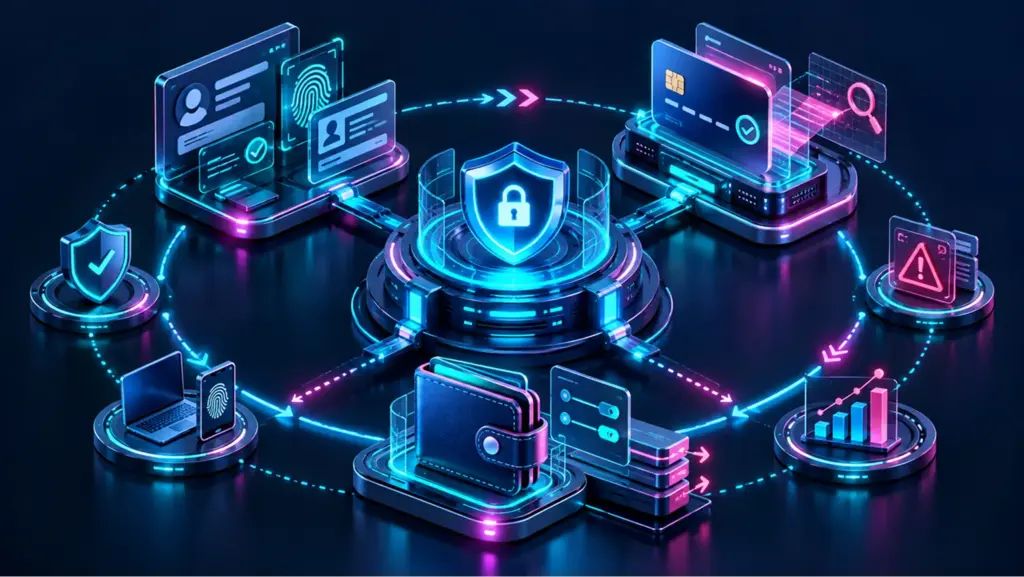
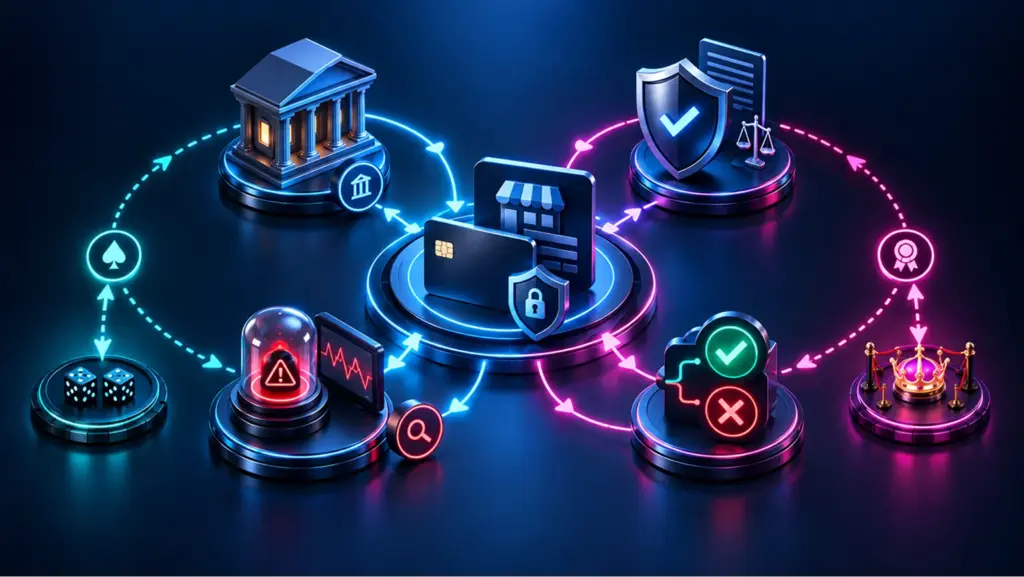
Digital wallets have already become the default way to pay online – yet their widespread adoption does not automatically translate into higher conversion. Many businesses still underperform financially due to misconfigured checkout infrastructure, not missing methods.
In 2026, digital wallets already account for 53% of all global online purchases and are projected to reach 65% by 2030. With over 5.3 billion users already relying on digital wallets, the challenge has moved from adoption to effective utilization. When checkout setups do not reflect actual user behavior, even willing customers drop off during checkout. Their method mix often leads to measurable revenue loss not because customers don’t want to pay, but because they can’t do it in their preferred way. Merchants who fail to optimize their checkout stack can experience measurable drops in both conversion efficiency and overall revenue simply by not offering the right mix of options.
Choosing how users pay is no longer just about coverage – it is about performance. Fees, settlement speed, approval rates, and regional limitations directly influence margins and cash flow, effectively turning the checkout layer into a controllable performance variable rather than a backend function. Businesses that actively optimize their checkout stack often improve conversion rates by 5-15%.
What Are Online Payment Methods?
Online checkout options function as decision layers within a transaction infrastructure – they are entry points into a complex infrastructure that determines whether a transaction succeeds, fails, or gets delayed. In practice, this means payments behave more like a system than a feature. However, each transaction is part of a larger system involving a gateway, processor, issuing bank, and settlement network.
Every transaction is routed through three operational layers, each layer where issues can be introduced or amplified:
- authorization (bank verifies funds and risk)
- processing (payment network approval)
- settlement (funds transferred to the merchant)
Even small inefficiencies at any of these stages can compound into significant revenue loss at scale. For example, up to 10-15% of transactions may be declined during authorization due to fraud rules or bank restrictions. This makes it essential for businesses to understand not just the method, but the entire transaction flow.
Modern platforms increasingly rely on a payment gateway (for example, unified payment gateways) to connect merchants with multiple processors, issuing banks, and settlement networks. This infrastructure is especially critical for recurring billing in subscription businesses, where automatic card updates via network tokenization significantly reduces failed renewals by keeping stored credentials continuously up to date.
Top Online Payment Methods
Checkout options are better understood when mapped to the type of checkout friction they eliminate. It is more useful to group them by the type of friction they remove in the checkout process. While preferences vary by region, several categories dominate globally.
Payment methods can be grouped into functional categories:
- Coverage-oriented
- Friction-reducing
- Cost-optimization
- Financing-enabled
- Infrastructure-independent

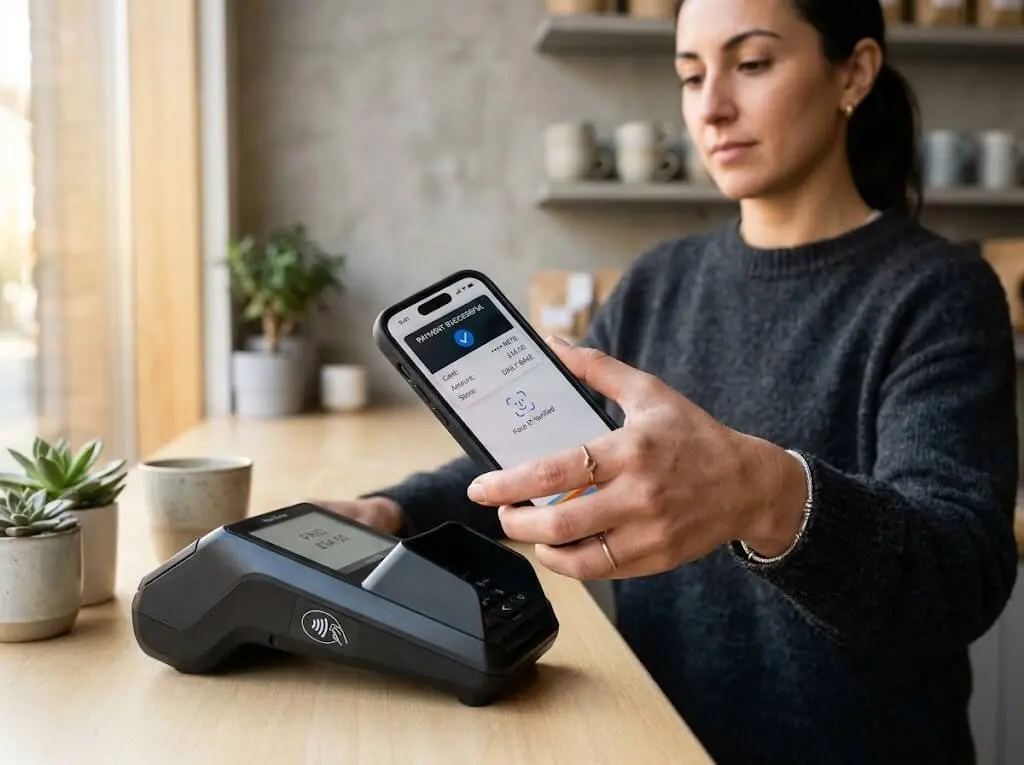
In 2026, tap-to-pay and contactless options via Apple Pay and Google Pay have become standard for mobile checkout, while account-to-account (A2A) payments are increasingly replacing traditional card rails in certain markets in Europe and the US, offering instant settlement at fees of just 0.1-0.5% compared to 1-3% for cards. This shift directly impacts unit economics for margin-sensitive businesses, where even a 1% fee reduction significantly impacts profitability. Businesses combining these with traditional credit cards and bank transfers see the highest acceptance rates.
Each option addresses a different point of friction within the payment journey, but also introduces its own limitations, which is why relying on a single option reduces overall performance. Cards provide universal access, wallets reduce checkout time, and bank transfers support high-value transactions. Businesses that combine these options typically achieve broader reach and higher acceptance rates.
Pros and Cons of Each Major Online Payment Method
Each option performs differently across key metrics such as speed, fees, and approval rates. Understanding these differences is critical for building an efficient payment strategy.
| Method | Speed | Fees | Approval Rate | Best Use Case | 2026 Insight | Hidden Trade-off |
|---|---|---|---|---|---|---|
| Card payments | Instant auth, 1–3 days | 1–3% | 80–90% | General eCommerce | Still dominant but declining | Chargebacks and higher fees |
| Digital wallets | Instant | Low–medium | 90–95% | Mobile checkout | 53% of global online purchases | Dependency on ecosystem (Apple/Google) |
| Bank transfers (incl. A2A) | 1–5 days / instant A2A | Low (0.1–0.5%) | 95%+ | Large & recurring transactions | $1.4 trillion consumer volume | Slower UX in some regions |
| BNPL | Instant approval | Medium | High | Increasing AOV | Market growing at 23–27% CAGR | Risk of higher operational complexity |
| Crypto | Minutes | Low | Variable | Cross-border | Stablecoins driving mainstream use | Volatility and regulatory uncertainty |
Merchants using network tokenization consistently observe measurable improvements in authorization rates, especially in recurring billing scenarios and for card-not-present transactions – a critical advantage for subscription and recurring payment models.
Most Preferred Payment Methods
User preferences are shaped by a combination of behavioral and regional factors, as well as by device, geography, and transaction intent, rather than by a single global trend. In mobile-first markets, wallets and tap-to-pay dominate because they reduce checkout time to just a few seconds.
Globally, the most preferred methods include:
- digital wallets for speed and convenience
- credit cards for accessibility
- bank transfers for large transactions
Regionally, preferences vary sharply: in the US, credit cards still lead (31% of online purchases), while globally digital wallets have overtaken them. When a preferred way to pay is unavailable, cart abandonment can increase significantly, making payment diversity a critical factor in conversion.
Why Should Businesses Offer Multiple Online Payment Methods?
Offering multiple ways to pay is a key conversion strategy rather than a simple feature upgrade. It effectively creates a redundancy layer that recovers transactions which would otherwise be lost due to provider-specific declines. Different users face different constraints, such as bank restrictions, regional limitations, or preferred payment habits.
The main benefits include:
- higher approval rates across different providers
- reduced dependency on a single provider or a single processing provider
- better support for global users and currencies
- support for recurring charges and subscriptions
Tokenized credentials reduce failed charges by up to 30% and improve lifetime value.
For example, a card payment may be declined due to issuer restrictions, while the same transaction could succeed via a digital wallet. Without alternatives, that revenue is lost.

Security Best Practices and Fraud Prevention in Online Payments
Transaction security directly influences both risk exposure and approval rates – it directly affects conversion. Overly strict fraud systems can block legitimate users, while weak controls increase financial risk, forcing businesses to continuously calibrate between risk control and conversion efficiency.
Key security measures include:
- encryption and tokenization of sensitive data
- multi-factor authentication (MFA)
- real-time fraud detection systems
This makes fraud management not only a security function, but also a revenue optimization task. In 2026, leading platforms combine tokenization with AI-driven predictive fraud detection, reducing false positives to below 1% while blocking sophisticated attacks before authorization. Solutions like intelligent payment routing (such as BillBlend) further improve outcomes by dynamically selecting the safest and most reliable processor in real time.
However, security must be balanced with usability. Overly strict fraud controls can block up to 5-10% of legitimate transactions, while weak controls increase financial risk.
Compliance and Regulatory Requirements for Online Payments
Regulatory compliance for transactions varies significantly across regions and processing frameworks and transaction types, requiring businesses to adapt their infrastructure depending on how and where transactions are processed. Non-compliance can lead to fines, account suspension, or loss of processing capabilities.
The most important requirements include:
- PCI DSS for card data security
- KYC (Know Your Customer) verification
- AML (Anti-Money Laundering) monitoring
Businesses operating internationally must adapt to different regulatory frameworks, as requirements vary across regions like the US, EU, and Asia.
How to Choose the Right Digital Payment Methods for Your Business
Choosing the right digital payment methods depends on your business model, customer base, and operational priorities. A misalignment between processing infrastructure, user expectations, and customer behavior often results in hidden revenue leakage rather than obvious technical issues.
Key factors to evaluate include:
- fees and transaction costs
- speed of settlement
- support for recurring billing cycles
- compatibility with e commerce platforms
- scalability across regions
For example, subscription-based businesses depend on recurring payments, while marketplaces prioritize fast payouts. A mismatch between payment setup and business model can reduce retention and revenue.
Do you have any more questions?
Fill out the form and we will contact you
*By submitting this application, you consent to the processing of your personal data in accordance with the privacy policy.
How Payment Options Impact Conversion Rates and Cart Abandonment
Checkout inefficiencies remain one of the most underestimated drivers of revenue loss in eCommerce, often hidden behind generic cart abandonment metrics. Checkout friction remains one of the main causes of cart abandonment, with the global average rate sitting at 70.22% in 2026. Studies show that limited checkout options drive 10-13% of abandonments, while offering the right mix (including digital wallets and local methods) can boost conversion by 7.4% and revenue by 12%.
Common reasons include:
- limited payment options
- declined transactions
- complex checkout processes
Even a 1-2% increase in approval rate can significantly boost revenue. This is why businesses invest in checkout optimization.
Solutions like BillBlend improve performance by dynamically distributing transactions across multiple providers in real time, increasing approval rates and reducing unnecessary declines. This allows businesses to recover transactions that would otherwise be lost.

Hidden Cost of Payment Failures
Most businesses focus on visible metrics such as conversion rate and completed transactions, but a portion of declined transactions is often overlooked. Some transactions are rejected not because they are invalid, but due to routing choices, issuer-specific rules, or processor limitations.
These cases are commonly referred to as recoverable declines – payments that could potentially succeed if processed through an alternative provider or method.
Because this layer is rarely tracked separately, it can represent an unrecognized source of revenue loss within the payment flow.
This is why advanced processing setups increasingly focus not only on approval rates, but also on identifying and recovering these lost transactions.
The Future of Online Payments: Emerging Trends and Innovations
Payments are gradually fading into the background of the user experience. The direction is clear: it’s no longer about adding more payment options, but about making the act of paying as seamless and unnoticeable as possible.
The best payment experience today is the one that barely feels like a payment at all. Users don’t want to think about how they pay – they just want to complete what they came for. That’s why everything is moving toward faster, embedded, and low-friction transactions that require little to no effort.
This shift is driven by several changes happening at once. Digital wallets and mobile-first payments continue to grow because they reduce checkout to a single action. BNPL options make payments more flexible, while cryptocurrencies are slowly finding their place in cross-border use cases. At the same time, AI is being used not only to detect fraud, but also to decide – in real time – how each transaction should be processed for the best outcome.
Behind the scenes, the bigger transformation is structural. Payments are no longer a separate step – they are becoming part of the overall product experience. Technologies like tokenization, one-click checkout, and real-time bank transfers allow transactions to happen almost instantly, without interrupting the user journey.
As a result, payments are no longer just a technical necessity. They are becoming a key performance layer that directly affects conversion, retention, and revenue – even if the user barely notices them.
FAQ: Your Questions, Answered
What do digital payment systems actually represent?
They are the mechanisms that finalize a transaction in a digital environment. At this stage, all prior checks and routing decisions converge, resulting in either a successful charge, a rejection, or a pending outcome.
Which payment options dominate online transactions today?
Most online payments are completed through a combination of card networks, wallet-based solutions, and direct bank account transfers, with the exact distribution varying by market maturity and user habits.
What typically leads to payment failure?
Unsuccessful transactions are usually the result of internal bank controls, automated risk scoring, lack of available funds, or inconsistencies in the payment data provided during checkout.
Why does the choice of payment methods matter for conversion?
Checkout performance depends heavily on how well the available payment options align with user expectations. When that alignment is missing, even motivated buyers may abandon the transaction.
How reliable and secure are online payment systems?
Modern payment environments rely on layered protection models, including encrypted data transmission, token-based credentials, and continuous risk evaluation, which together ensure a high level of transaction safety.
What steps help increase payment efficiency for businesses?
Improving results typically involves distributing transactions across multiple processing routes, supporting a broader range of payment types, enabling automated billing mechanisms, and using data analysis to continuously refine approval outcomes.