
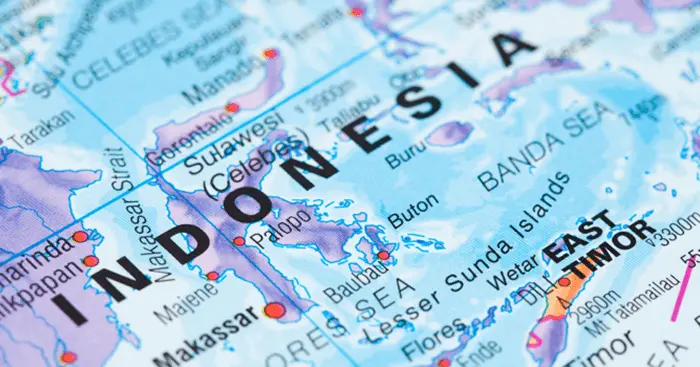
Indonesia is a country of islands. Bali is considered one of the main islands. It is a tourist and economic center of the country. For business, Bali is interesting due to the large number of tourists and the high purchasing power of the local residents. If you plan to open a business in Indonesia and accept transfers from the residents of Bali, it is important to know the preferences of the local residents. This is the topic of our article. In this article, you will learn about the popular payment methods in Bali.
Indonesia's overall economy
Indonesia is one of the leaders in the Asian region in terms of economic development and e-commerce. The country’s population has exceeded the 284 million mark, so it is a big market. By the end of 2024, the volume of e-commerce amounted to $354.6 billion. In 2025, the increase was 7%, and in the next 8 years, the growth is estimated at 9% annually. According to experts, the market volume will reach $760.8 billion in 2033.
In Indonesia, as well as other Asian countries, the share of mobile transactions is actively growing. In 2025, about 67% of all purchases were made on mobile devices. This trend will continue in the coming years, so it is important for businesses to introduce alternative payment methods.
In Indonesia, as in other countries of the world, the popularity of “buy now, pay later” (BNPL) models, QR codes and electronic wallets is growing. These technologies create a unique dynamic in the market, especially given the development of the QRIS standard, which accelerates the process of adapting new technologies to payments.
Online payment methods in Bali
Let’s take a look at Bali payment methods.
Bank Cards
Bank cards (Visa and MasterCard) continue to play a key role in international payments in Bali. However, their popularity is gradually decreasing — they are increasingly inferior to digital wallets in terms of accessibility and convenience.
The reason is simple: the banking infrastructure on the island is unevenly developed — in many cities there are no bank branches. At the same time, the vast majority of residents have smartphones, which makes mobile payment solutions a more practical option.
For companies whose target audience is tourists and foreign customers, accepting international cards remains a mandatory requirement. This payment method provides:
- a high level of transaction security;
- the usual convenience of calculations for foreign guests.
This is why bank cards continue to be an important tool for business in Bali, despite the growing competition from digital alternatives.

QR code payments
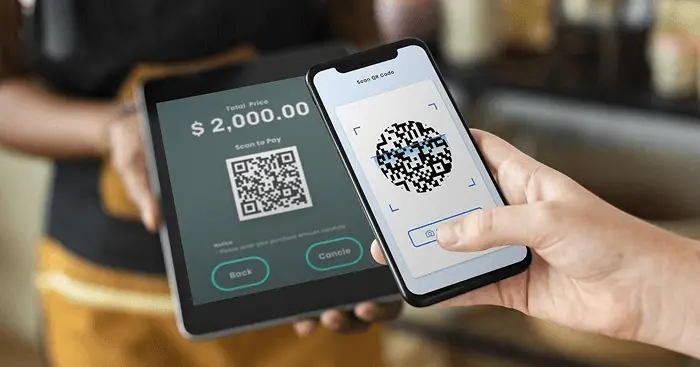
Contactless payment via QR codes is actively developing in Indonesia. The basis of this system is the unified standard QRIS (Quick Response Code Indonesian Standard), or “quick response code”. The introduction of a common format has simplified the implementation of QR payments: now they are accepted both online (on websites and in applications) and offline (in shops and cafes).
How it works:
- QRIS (code scanning). The user opens the payment application, scans the QR code at the checkout or on the screen, confirms the amount, and the transaction is completed.
- QRIS Tap (touch the terminal). In March 2025, Indonesia launched this improved version: it is enough to bring a smartphone to a terminal marked with a QRIS Tap — payment will be made instantly, without having to open the application and scan the code.
QR payments are especially in demand among young people: almost everyone has a smartphone, and the payment process takes a few seconds. This is also beneficial for businesses:
- ease of implementation — no expensive equipment is required.;
- reduced dependence on cash — less risks and collection costs;
- service speed — queues at the checkout are reduced.
What to choose: QRIS or QRIS Tap? Both methods are actively used in Bali and Indonesia, but each has its own nuances.
QRIS is suitable if:
- do you have a small shop or cafe with a low flow of customers;
- it is important to save on equipment (it is enough to print a QR code).
QR Tap is optimal if:
- you aim for maximum service speed (for example, in supermarkets or coffee shops);
- you want to emphasize the technological nature of your business and attract a young audience.
As a result, the choice depends on the format of your business and the expectations of customers: QRIS stands for reliability and accessibility, while QRIS Tap stands for speed and modern user experience.
‘Buy Now, Pay Later’ (BNPL)
The BNPL (Buy Now, Pay Later) model is gaining momentum in Bali — it allows customers to split payments into convenient parts. This format is especially in demand among young people: it meets the demands for flexibility and accessibility, eliminating the need to immediately shell out a large sum.
Where it works. First of all, on e—commerce platforms. They are increasingly used in offline stores, which are trying to attract more customers.
Why BNPL is beneficial to business:
- it stimulates the growth of the average receipt: customers are more willing to make purchases, knowing that they can pay in installments;
- increases conversion: some operators offer a delay in the first payment, which makes the purchase even more affordable.
For consumers, BNPL is an easy way to manage their budget, and for sellers, it is an effective tool to increase sales.
Do you have any more questions?
Fill out the form and we will contact you
*By submitting this application, you consent to the processing of your personal data in accordance with the privacy policy.
E-wallets
In Bali, e-wallets are confidently leading among payment methods. GoPay and OVO are the most popular — they have the widest user base.
What you can do with them is to pay for goods and services, transfer money between users, and make purchases both online and in physical stores.
Key advantages for users:
- Convenience: everything is controlled via smartphone;
- Bonuses and discounts: Apps often offer promotions and cashback, increasing customer loyalty;
- Versatility: one tool works both online and offline.
For businesses, e—wallets provide access to a wide audience (most locals actively use e‑wallets), seamless integration of online and offline sales, faster payments, and reduced dependence on cash.
In Bali’s dynamically developing market, e‑wallets have become not just a convenient tool, but an essential element of the payment infrastructure.
Alternative methods
In addition to the most popular Bali payment methods, there are systems that users pay less frequently, but their use in business should not be ruled out.
Cryptocurrency
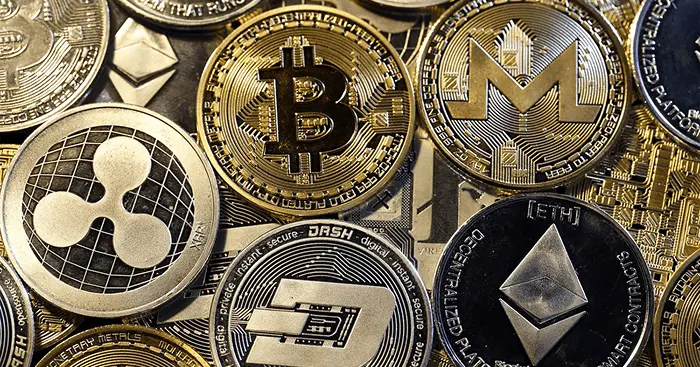
Although cryptocurrency is not officially regulated in Indonesia, some major platforms are already implementing it as a form of payment. This makes it attractive to a certain category of users who prefer the anonymity and security of cryptocurrency transactions.
Cash
Cash remains an important payment method, especially in rural areas where there is no formal banking infrastructure. For businesses focused on local markets, supporting cash payments is a must. Cash payments provide a high degree of trust among locals, making them indispensable for businesses in Bali.
Direct debit
Direct debit via mobile apps such as OneKlik and OCTO Cash provides instant and seamless withdrawal transactions. This makes them ideal for subscription models and recurring payments, which is especially important for businesses that offer services with regular payments.
Why it is important to consider local user preferences
Understanding local payment preferences is crucial for running a successful business in Bali. Here are a few reasons why:
- Increased conversion rates. Giving users the option to pay in a convenient way reduces the risk of purchase abandonment.
- Build trust. Demonstrating an understanding of the buyer's needs helps to build loyalty and increase repeat orders.
- Expand your target audience. The more payment options you offer, the wider your potential customer base.
To run a successful business in Bali, it is important to take local payment preferences into account. One effective tool for this is the Billblend service. This provider supports over 100 different payment methods, including digital wallets, QRIS, and other methods popular in Indonesia.
Advantages of Billblend:
- Free integration. No additional connection costs.
- Easy connection via API. Easily integrates with your systems.
- Support for 70 currencies. Including cryptocurrency and the Indonesian national currency (rupiah).
- Risk minimisation. Protection against fraud and errors in payment processing.
Using a universal payment platform such as Billblend greatly simplifies the adaptation of your business to local conditions and increases your chances of successful development in the Bali market.
Conclusion
Without understanding the preferences of the locals, it is impossible to successfully run a business in Bali. Adding popular payment methods and knowing the specifics of customer behavior can improve conversion and attract new customers.
Using BillBlend’s payment gateway, you can easily integrate local and international payment methods into your website or app. This will allow you to cover all the preferences of Bali residents, as well as accept payments from customers from other countries. The right integration strategy will have a tangible impact on the key indicators of your business, opening up access to a new, highly profitable market segment.

Frequently asked questions
What payment methods are popular among tourists in Bali?
International bank cards VISA and MasterCard are used in Bali. Of the electronic wallets, GoPay and OVO have the most users. QR code payment is widespread.
How do I choose the most suitable payment method for my business?
It is necessary to study the preferences of the target audience and take into account the type of business. There are more than 100 payment methods in BillBlend, so you can customize the payment gateway to meet any customer requests.
What is the role of QRIS standards in Bali's modern economy?
The standardisation of QR codes has greatly facilitated interaction between sellers and buyers, reducing operating costs and increasing transaction transparency.
Is it possible to refuse to accept payments from a bank card?
VISA and MasterCard are losing their leading positions in Indonesia. Bank cards account for about 13% of all transactions. It is possible to opt out of this payment method, but the interests of the target audience must be taken into account.
Is it necessary to support payment in cryptocurrency within your business?
In Indonesia, cryptocurrency is not supported at the state level. The integration of this payment method will allow you to get new customers. This method is especially important for companies that are aimed at a young audience or accept international payments.
What alternative payment methods are popular in Bali?
Direct debit via mobile apps, cash and QRIS are among the most popular alternatives.