Digital commerce has changed not because people buy different things, but because the tools behind everyday transactions have evolved. What once required cash, cards, or physical presence is now handled through software layers that quietly manage credentials, approvals, and security in the background.
This article explains what a digital wallet is, how transaction approval works in practice, which technical models are used today, and what developments are likely to influence this technology in the near future.
What Is a Digital Wallet?
If we define digital wallet payment in functional terms, it is a software-based environment that stores transaction credentials securely and allows users to authorize charges without repeatedly exposing sensitive information.
From a conceptual perspective, the meaning of digital wallet is closely tied to convenience and control: it replaces manual data entry with secure, device-based authorization. This is also the core electronic wallet meaning – a digital substitute for physical payment storage.
Depending on usage and region, this solution may be described as an electronic wallet or act as an internet wallet for browser-based checkout.
Such a solution can represent:
- tokenized card credentials rather than raw numbers,
- linked bank accounts used for transfers or debits,
- stored balances and virtual value,
- loyalty items, tickets, and access passes,
- and, in some implementations, identity credentials.
Viewed this way, a digital money wallet replaces several separate tools with a single controlled interface designed to simplify authorization while improving security.
Digital wallets in numbers (2024–2030)
Software-driven transaction tools have moved from optional features to mainstream infrastructure. Market research consistently shows that app-based checkout flows are accounting for an increasing share of both online and in-store commerce.
This growth is expected to continue as these solutions expand their scope. Virtual cards, installment options, and identity-related features are being added to make these tools relevant beyond simple checkout scenarios.
How Digital Wallets Work
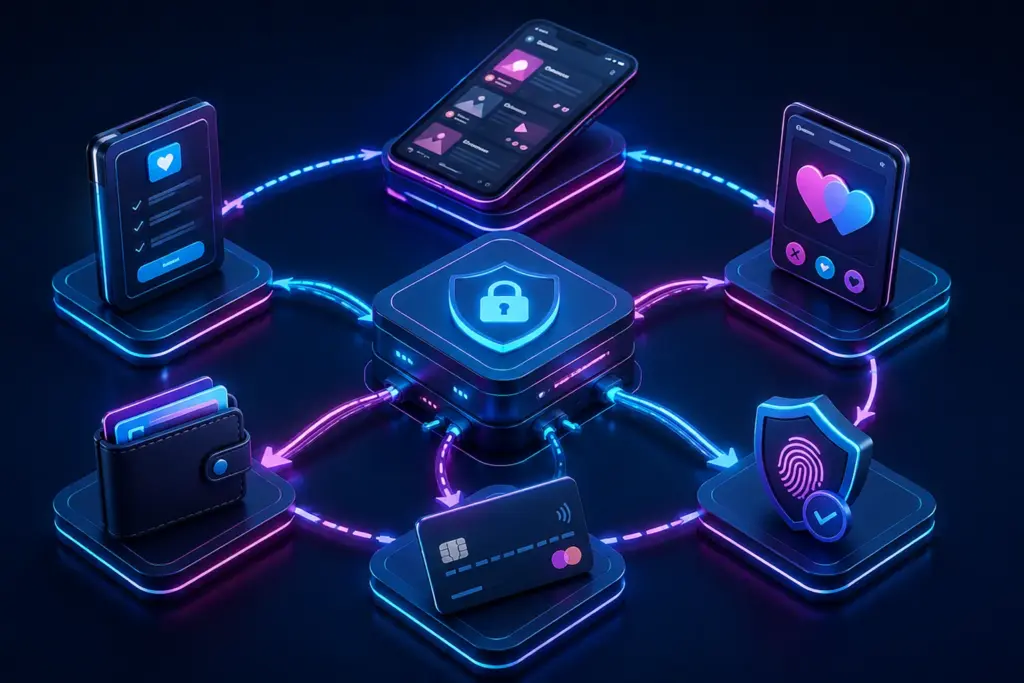
A digital wallet system operates through a layered design that combines encrypted storage, user verification, and secure communication with financial networks. While exact implementations differ, the underlying sequence is typically consistent:
-
Initialization
The user installs an application or enables a built-in transaction interface already present on the device. -
Credential linking
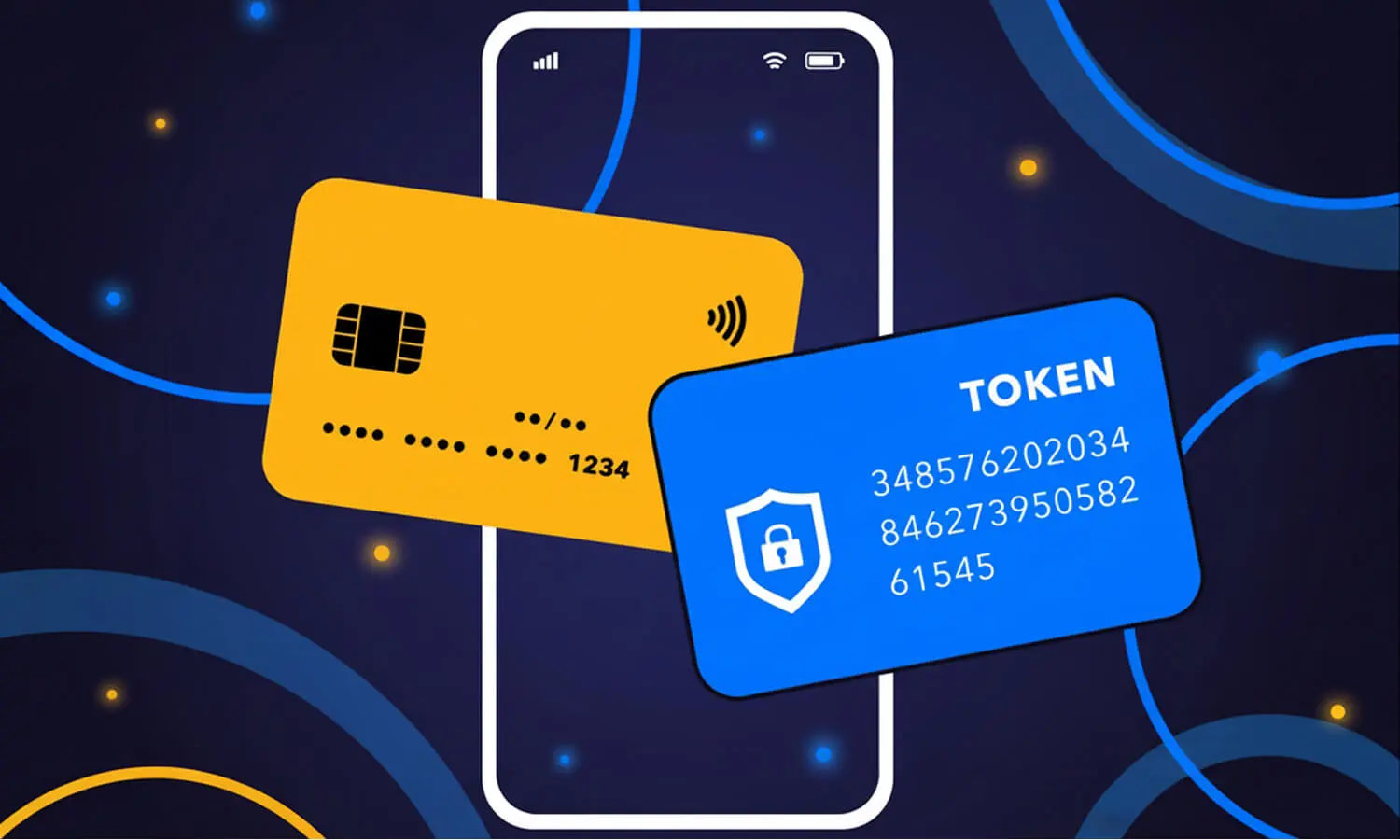
Cards or accounts are connected using tokenization, ensuring that original credentials are never directly shared during checkout. -
User verification
Identity is confirmed using biometrics or a secure passcode, reducing reliance on static data. -
Transaction request
When a purchase is initiated, an encrypted token is sent to the merchant’s processing flow. -
Authorization and confirmation
The request is approved and completed, often within seconds depending on the network involved.
These steps form the backbone of digital wallet transactions, enabling fast authorization without exposing sensitive details.
Types of Digital Wallets
These solutions can be categorized based on where credentials are stored and how authorization is performed.
| Model / Interface | Description |
|---|---|
| Client-Side Models | Sensitive information is stored locally on the user’s device and protected by hardware-level security mechanisms. |
| Server-Side Models | Credentials are maintained within the provider’s infrastructure and accessed securely for online transactions. |
| Mobile Transaction Interfaces | A digital wallet device, such as a smartphone or wearable, acts as the approval factor during checkout. |
| Cryptocurrency Solutions | These platforms manage cryptographic keys and support blockchain-based transfers alongside traditional financial instruments. |

Popular Digital Wallet Platforms
The broader ecosystem includes global and regional digital wallet platforms, shaped by regulation, device support, and transaction coverage. Some solutions focus on retail contactless checkout, others prioritize browser-based flows or digital asset management.
Differences between platforms often come down to regional availability, supported devices, and compliance requirements.
NFC vs QR Codes: How Transactions Are Made
Contactless checkout relies on different communication approaches depending on market conditions.
NFC Technology
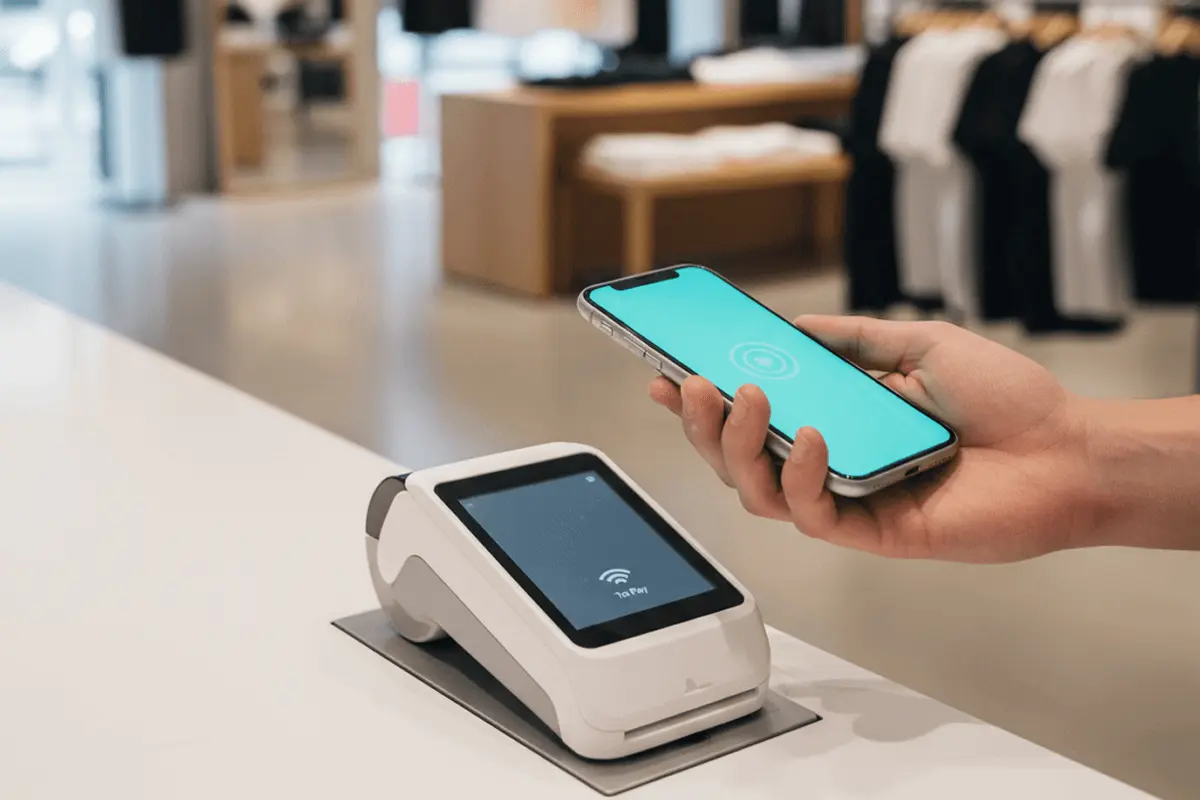
Near Field Communication enables short-range interaction between a device and a terminal, supporting fast tap-based authorization in environments with modern hardware.
QR Code Flows
QR-based methods rely on scanning a code to initiate a charge and are common where NFC terminals are less widespread.
Both approaches support a range of digital wallet payment methods, depending on local infrastructure and merchant setup.
Why these solutions are considered safer
One of the strongest advantages of software-based transaction tools is reduced exposure of sensitive data. Tokenization ensures that merchants never receive real card numbers. Combined with biometric verification and device-level protections, this model lowers the risk associated with manual data entry – particularly on mobile devices.
Benefits and Limitations of Digital Wallets
Key Benefits
- Faster approval of transactions
- Reduced friction during checkout
- Ability to switch between funding sources
- Built-in loyalty and reward handling
- Potential to widen access to digital finance
These advantages explain the wide range of digital wallet uses in everyday commerce.
Limitations to Consider
- Dependence on compatible devices and operating systems
- Regulatory or age-related restrictions
- Uneven acceptance across regions
- Reliance on connectivity and device security
These aspects should be weighed when selecting among different digital wallet services.
Quick comparison: Wallet vs Card vs Bank transfer
| Method | Primary strength | Typical drawback |
|---|---|---|
| App-based transaction tools | Speed and authentication | Requires compatible hardware |
| Manual card entry | Broad acceptance | Higher error and fraud exposure |
| Bank transfer | Suitable for large amounts | Slower confirmation |
Real-World Use Cases
| Use Case | Description |
|---|---|
| Everyday Consumer Transactions | Retail purchases, transport, and online shopping remain some of the most common e wallet uses. |
| eCommerce and Subscriptions | Stored credentials simplify recurring charges and help reduce failed billing cycles. |
| Cross-Border and Digital Assets | Some platforms enable international transfers and digital asset usage beyond traditional banking rails. |
These scenarios illustrate digital wallet uses beyond basic retail checkout.
Security: Are Digital Wallets Safe?
When implemented correctly, these systems offer strong protection through encryption, authentication controls, and continuous monitoring. Actual safety depends on provider architecture as well as user behavior, including device security and account hygiene.
Trends Shaping Digital Wallets in 2026 and Beyond
| Trend | Description |
|---|---|
| Digital Identity | Transaction applications are increasingly used to store credentials for identity verification. |
| Blockchain and Digital Assets | Support for crypto-based value continues to expand. |
| Financial Inclusion | Mobile-first tools may help reach users without full access to traditional banking. |
| Intelligent Risk Controls | AI-driven analysis is becoming central to detecting abnormal behavior and fraud. |
Final Thoughts
Software run transaction spaces are slowly re-shaping the manner in which people authorize a sale and manage worth.For any new visitors wondering what is an e wallet – a quick answer is that it’s a safe online interface which eliminates the need for manual logins by using rapid device approval processes.
For readers who are digging into digital wallet technology, that is part of the main point — these systems are maturing into broader financial platforms rather than serving as a straightforward checkout tool.
FAQ: Your Questions, Answered
What types of digital wallets exist?
They include device-based models, cloud-hosted services, mobile transaction applications, and crypto-focused solutions.
How does NFC work in e-wallets?
NFC enables short-range communication between a device and a terminal, transmitting a secure token after user authentication.
Are digital wallets secure enough for crypto?
They can be, depending on key management, system design, and user practices.
Will a digital wallet replace a physical one?
It can significantly reduce reliance on cash and cards, though full replacement depends on regulation and adoption.