
What is 3D payment gateway
Imagine this situation: your customer is about to make a long-awaited purchase on your website. A few clicks of the mouse – and it’s done! Just imagine how much the user’s impression will change if a warning about a possible security threat suddenly appears. Your reputation will suffer instantly, and the transaction will be cancelled.
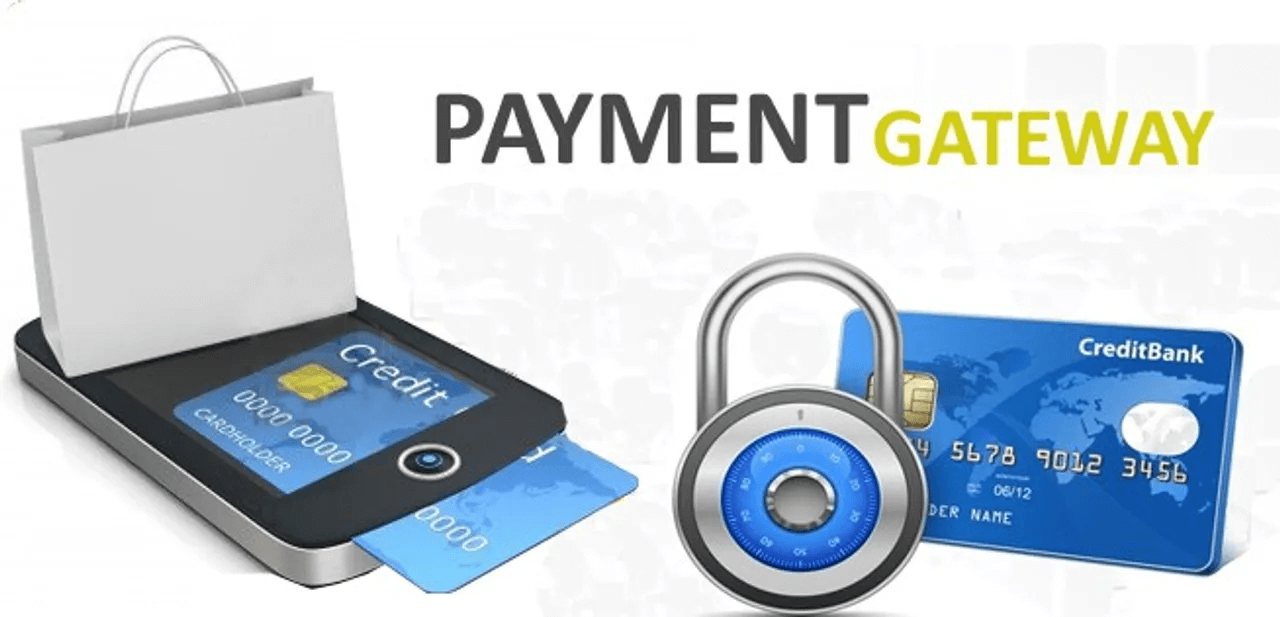
That is why innovative solutions such as 3D Secure Payment Gateway have become a real lifeline for businesses. Today, these technologies enable you to protect yourself against data theft, minimise the risk of fraud and strengthen customer trust.
Did you know that around 70% of shoppers abandon their purchase when faced with payment security issues?
That’s where Billblend comes in. Billblend is a brand that has earned a reputation as an expert in innovative payment solutions, especially for high-risk businesses.
Find out how Billblend helps your business grow and thrive despite the threats of cybercrime. Read on to discover how 3D Secure Payment Gateway can change the future of your business forever.
What are secure payment gateways
The modern world of e-commerce dictates strict requirements for transaction security. In an era of high speeds and the mass migration of businesses to the online space, there is an urgent need to protect customer information and bank card data. After all, no one is immune to fraud and data leaks. This is where secure payment gateways come into play.
Secure payment gateways are specialised online services designed to process electronic payments. Think of them as intermediaries between your website and the banks involved in the transaction. The task of gateways is simple but important: to securely transfer confidential information (such as card number, expiry date and CVV code) from the buyer to the issuing bank, wait for the result and return it to the seller.

Each stage of this process is secured by a range of powerful security measures, from data encryption to protection against phishing and malware. All high-quality payment gateways comply with international security standards such as PCI DSS (Payment Card Industry Data Security Standard), which further strengthens user confidence.
But not all payment gateways are the same. There are two fundamentally different categories of gateways:
- 2D gateways – a traditional approach where card details are sent directly to the merchant and then redirected to the bank.
- 3D payment gateways are an advanced mechanism that uses an additional layer of protection known as 3D Secure. Here, the process is divided into three stages: user identification, cardholder verification, and final transaction authorisation.
In this article, we will take a closer look at the differences between them and find out which solution is right for your business. In conclusion, we will discuss important aspects of choosing a payment gateway and introduce you to the solution from Billblend, a leader among the new generation of secure payment gateways. Join us and take the first step towards a secure future for your online commerce.
Two types of payment gateways: 2D vs 3D
Today, there are two basic types of payment gateways, each with its own characteristics and advantages. Let’s take a closer look at them.
2D payment gateway
A 2D payment gateway is a classic payment processing method that involves the direct transfer of data from the buyer to the seller without any additional layer of protection.
The term ‘2D’ reflects the involvement of only two parties in the process: the seller and the buyer.
When making a purchase, the buyer enters their card details (number, expiry date, CVV code), which are then sent to the seller. There are no additional authentication steps, and the payment goes directly to the bank.
Advantages
- Minimalist purchase path – transactions are carried out quickly and without delays.
- High conversion rate – buyers are less distracted by additional procedures, which increases the likelihood of completing the purchase.
- Ease of integration – 2D gateways are easier to implement and maintain.
Disadvantages
- Low level of security – increased vulnerability to fraud and data leaks.
- No additional confirmation – payments can be made by anyone with access to the card details.
Despite the obvious advantages, this scheme carries significant risks. This is especially true for large companies that process large volumes of transactions on a daily basis.
Do you have any more questions?
Fill out the form and we will contact you
*By submitting this application, you consent to the processing of your personal data in accordance with the privacy policy.
3D Payment Gateway
The 3D payment gateway, or 3D Secure, is based on a three-tier architecture that includes additional levels of authentication.
The name comes from the three main parties involved in the process: the issuing bank, the acquiring bank, and the interface provided by card networks (such as Visa or MasterCard).

When using the 3ds payment gateway, an additional authentication step is added. Users are most often asked to confirm the payment with a one-time password (OTP) sent to their phone or another biometric identification method. This measure enhances security and reduces the risk of fraud.
There are two versions of the 3D Secure protocol:
- 3D Secure 1 (3DS1) – this is the first version that requires customers to go to a separate page to enter their payment information and confirm the transaction. This approach increases security, but it can be inconvenient for customers during the purchase process.
- 3D Secure 2 (3DS2) – this is an updated version of the protocol that aims to increase the level of control. During the purchase, there is no transition to third-party pages; everything takes place on the store's website. Some algorithms provide for automatic risk assessment, allowing for purchases without authentication.
The use of 3D Secure brings additional benefits to the business. One of the main advantages is the increased customer trust, as they can now pay for their purchases in a familiar way. Additionally, the international accessibility of the protocol is a significant benefit for the company, as it is supported in most countries around the world. Furthermore, the increased security of transactions is a notable advantage, as it ensures the authentication of payment data.
Disadvantages
- Slight increase in purchase time – 3DS1 processes can cause minor delays and complicate the checkout process.
- Technology requirements – to fully implement 3DS2, the store's IT infrastructure must be updated.

The choice between 2D and 3D payment gateways is determined by several key factors: the level of risk, the scale of the business, and customer expectations regarding security. Solutions such as Billblend combine powerful security technologies with ease of use, ensuring a high level of data protection and guaranteeing fast and secure payments. Choose the option that best suits your business needs and your customers’ preferences.
Comparison of 2D and 3D payment gateways in a table
| Characteristics | 2D Payment Gateway | 3D Payment Gateway |
| Number of participants in the process | 2 (seller and buyer) | 3 (issuing bank added) |
| Authentication method | Card details only (CVV, expiry date) | Two-factor authentication (OTP) |
| Level of fraud protection | Low | High |
| Probability of chargebacks | High | Low |
| International support capabilities | Limited | Global |
| Compliance with security standards (PCI DSS) | Partial | Fully |
| User experience | Fast and convenient | More steps, may cause inconvenience |
| International market standardisation | Not provided | Mandatory for European markets (EMV 3DS) |
| Use of OTP (one-time password) | No | Mandatory |
| Risk of data leakage | Significant | Minimal |
| Transaction processing speed | Very fast | Slightly longer due to the second step |
| Need for special certificates | No basic requirements | Security certificate required (TLS/SSL) |
| Potential impact on conversion | Positive | Possibly negative due to the complex process |
| Technical requirements | Minimal | Slightly higher |
3D payment gateways offer significant advantages in terms of security and international accessibility, but require additional effort from both businesses and users. The choice between 2D and 3D depends on the scale of the business, the level of risk tolerance, and customer expectations regarding payment convenience.
How to connect 3D Secure Payment Gateway to your website
With the active development of e-commerce and the availability of online transfers, cases of fraudulent transactions have become more frequent. They negatively affect business development and its reputation.
3D Secure Payment Gateway solves this problem. When using the solution, payment data is authenticated and a one-time password is requested.This reduces the percentage of fraudulent transactions.
Why is it important to use Billblend’s 3D Secure Payment Gateway?
- Additional data protection. Simply entering card details is not enough to guarantee complete security. 3D Secure adds an extra layer of protection, preventing the unauthorised use of stolen data.
- Reduced risk of fraud. Mandatory OTP authentication reduces the likelihood of fraudulent transactions and chargebacks.
- Regulatory compliance. In many countries (especially in Europe and North America), the use of 3D Secure has become a mandatory requirement for secure online payments.
Billblend offers a simple and convenient solution for integrating 3D Secure into your website. Here are step-by-step instructions:
Go to the feedback form page to receive a personalized offer. Tell us what you do and your turnover.
- This will allow us to select the optimal set of options for the payment gateway and develop a customised rate plan tailored to your business.
- Receive feedback from our support team. At this stage, we will discuss the current state of your business and how you can improve user interaction and increase efficiency.
- Collection of necessary documents, integration of Billblend into your website, and testing of the gateway. After successful completion of testing, the final launch of the bank card payment processing service will take place.
Advantages of using Billblend for 3D Secure:
- Versatility – single integration for dozens of local and international payment methods;
- Currency conversion – ability to conduct transactions in different currencies;
- Security – advanced encryption and authorisation technologies;
- Cost-effectiveness – low commission and no hidden fees;
- Flexibility – easily adaptable to any technical requirements.
Conclusion
3D payment gateways are a powerful tool for improving the security and protection of transactions in online commerce. They add an extra layer of authentication, ensuring reliability and minimising the risk of fraud.
The modern market offers a wide range of solutions, among which systems such as Billblend stand out, providing extensive opportunities for integration and support for a global audience.

Frequently asked questions
What is a 3D payment gateway?
It is a special technology that adds an extra layer of security to online transactions through multi-factor authentication (e.g., a one-time password).
Why do I need a 3D payment gateway?
To reduce the risk of fraud and protect user data when making online payments.
What are the benefits of 3D Secure?
It improves transaction security, reduces the risk of payment chargebacks, and helps you comply with global security standards.
What is the security level of 3D Secure?
Extremely high, as it requires mandatory customer identity verification before a payment is made.
Is there a difference between 3D Secure 1 and 3D Secure 2?
Yes, the second version (3D Secure 2) is more convenient for users, as it involves smart risk verification and rarely asks for additional data entry.
Do I need to install 3D Secure separately on my website?
Usually not, modern payment systems such as Billblend support this technology automatically.
Can I opt out of using 3D Secure?
Officially, yes, but this is not recommended due to the high risk of fraud and possible damage to your company’s reputation.